In the early 1990s, during rehearsals with the Sewickley Symphony, a small community orchestra near Pittsburgh, an elderly man with a thick Eastern European accent handed his violin to a fellow musician. He told her: “This violin is very special. It was made in a Polish concentration camp.”
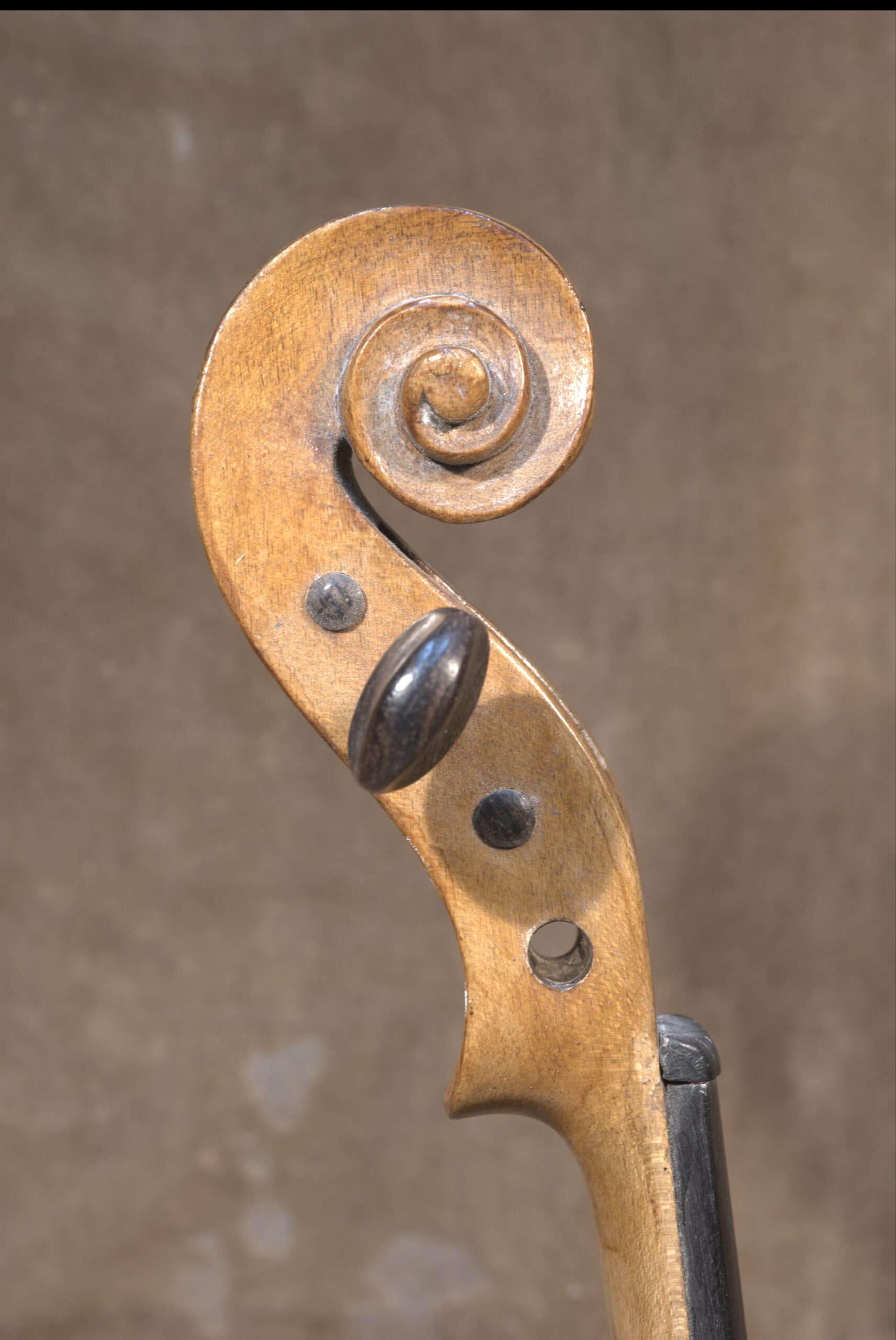
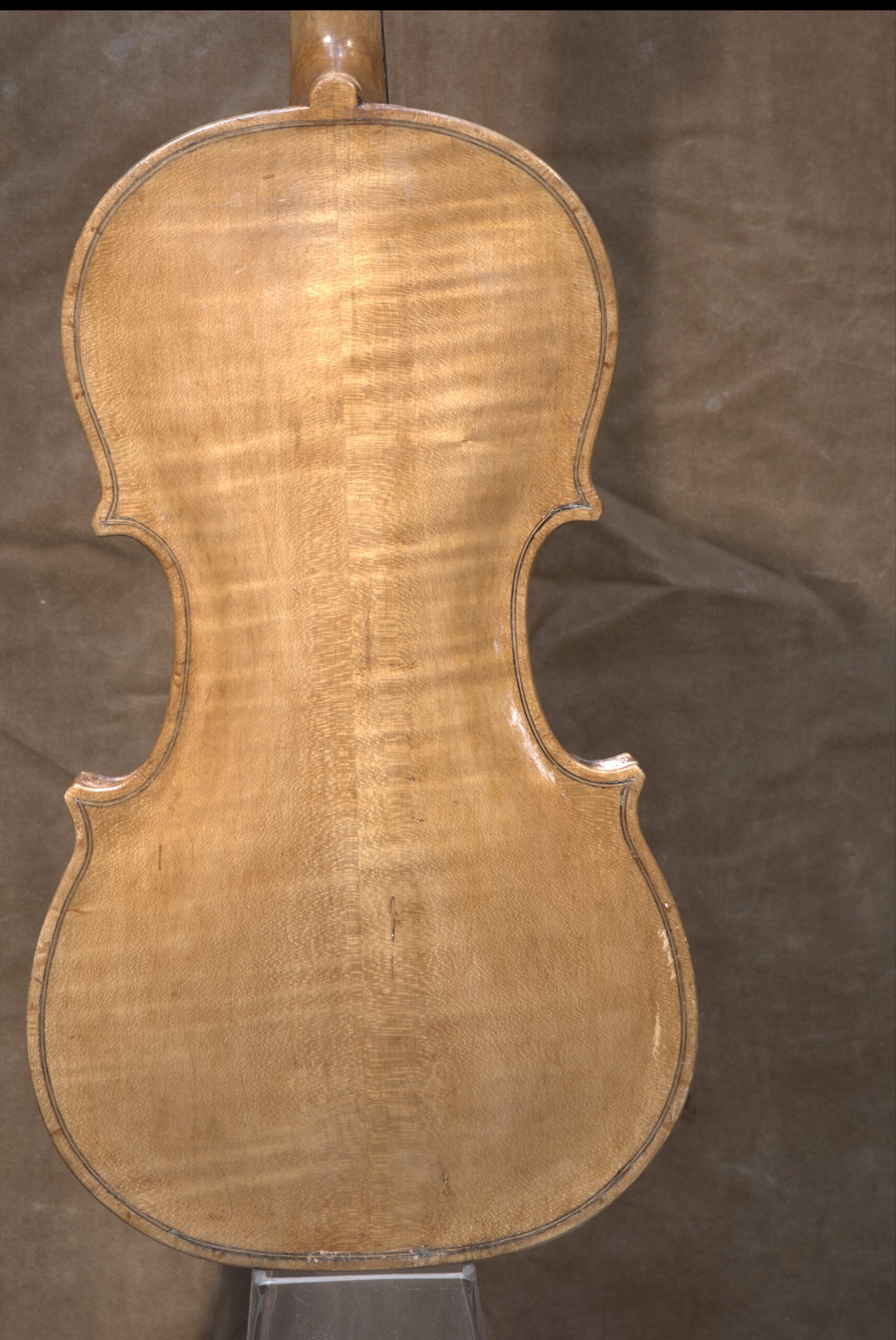
The violin has been preserved ever since, with minor updates such as new tuning pegs and a chin rest. The wood is crude and unrefined, suggesting it may have been handmade under difficult circumstances rather than crafted in a traditional workshop. Its precise origin, however, remains unverified.
Though its full story is not yet known, this violin stands as a tangible reminder of a time when music offered strength and humanity in the face of inhumanity. Instruments said to have come from concentration camps hold profound symbolic weight, connecting us to the voices of those who endured.